The Middle Belt's Long War: Land, Faith and the Killing Fields of Plateau and Benue
Plateau and Benue sit on Nigeria's most contested ground, where competition for land between farmers and herders has fused with ethnic and religious fault lines into a cycle of attack and reprisal. Communal violence is the deadliest threat type there, and the data shows it getting worse.
Nigeria's Middle Belt does not produce the headlines that the North East or North West do, but by one measure it is among the deadliest regions in the country. Across the OpenWatch archive, communal violence accounts for more than 4,600 recorded incidents, and nowhere does it concentrate more lethally than in Plateau and Benue. Plateau alone carries more than 7,700 recorded fatalities, with over 1,700 in the past year, enough to place it in the highest risk tier in the country alongside Borno and Zamfara.
This is a slower war than insurgency, fought village by village, and it is rooted in something harder to defeat than any single armed group: a fight over land.
The Deadliest Quiet War
The threat that defines Plateau and Benue is not terrorism or robbery. It is communal violence, the clashes between farming and herding communities that recur with the seasons. The scale is easy to underestimate because it arrives in small numbers spread across many villages, but it adds up. In one stretch covering the first two months of 2026, over a thousand people were reportedly killed and several thousand abducted across the affected belt, much of it concentrated in Plateau.
Land Is the Root
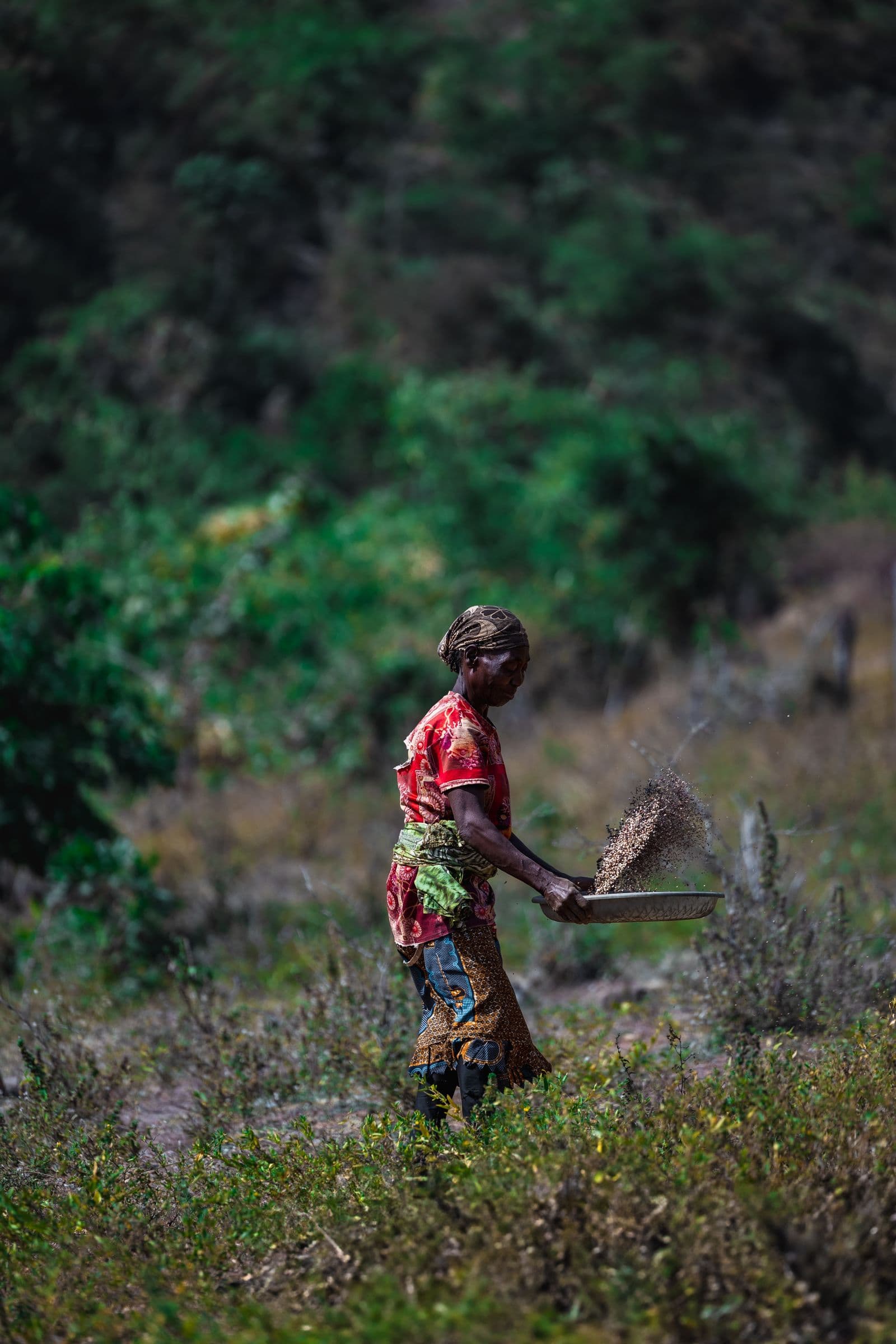
Strip away the language of ethnicity and faith and the core dispute is over ground. Settled farmers and pastoralist herders compete for shrinking, drier land, and as grazing routes close and the climate pushes herders south, the friction turns lethal. In Benue, armed herdsmen attacked farmers in Imande Dem, killing several and destroying property, the archetypal incident of this conflict repeated hundreds of times across the record.
Land is the root because land is finite, and the violence tracks the calendar of planting and grazing more closely than it tracks any political event.
Faith Is the Fault Line
Land lights the fire, but identity decides who stands on which side, and that is what makes the Middle Belt so combustible. The communities are often divided along religious and ethnic lines, and attacks are experienced, and retold, in those terms. When gunmen opened fire on a crowd in Angwan Rukuba in Jos North, leaving scores dead and forcing the University of Jos to postpone examinations, it was reported as an attack on Christian worshippers. In Barkin Ladi, residents spoke openly of arming to defend themselves against Fulani bandits.
Once violence over land is understood as violence over faith and ethnicity, every incident becomes a grievance that demands an answer, and the answer is usually another attack.
The Cycle of Reprisal
The defining feature of the Middle Belt is that it does not stop. An attack on one community produces a reprisal on another, which produces the next attack. The victims are on every side. For all the framing of herders as aggressors, the archive also records a Fulani cattle rearer kidnapped for ransom in Otukpo, Benue. The violence is communal in the fullest sense: it consumes the communities it passes through without regard for which one started it.
Kidnapping Comes to the Middle Belt
The newest development is that the region's communal violence is now layered with the kidnapping economy spreading from the North West. Travellers have been abducted on the Jos to Zaria road in Bassa, and ransom seizures now appear alongside the older pattern of village raids. A conflict that was once about land and identity increasingly carries a price tag as well.
A State Largely Absent
The security response, military operations such as Whirl Stroke in Benue and police deployments in Plateau, is real but reactive, arriving after attacks rather than preventing them. In the gap, communities organise their own defence, which deepens the militarisation and feeds the next round. Breaking the cycle would mean addressing the land question and the impunity that lets attacks go unanswered by the courts, not only by soldiers.
Until then, Plateau and Benue will keep ranking where the data already places them, among the most dangerous states in Nigeria. See where they stand in the state risk index.
OpenWatch tracks security incidents across all 36 states and the FCT in real time. Monitor live risk by state and corridor on the live map and the monthly security report.