Security analysis, grounded in the data.
In-depth analysis of the forces shaping security in Nigeria, built on OpenWatch’s live record of every reported incident.
The Cost of a Corridor: What Nigeria's Highway Attacks Mean for Freight and Fleets
For any business that moves goods or people by road in Nigeria, the highway is the single largest point of exposure, and it is not evenly dangerous. The threat concentrates on specific corridors, at specific hours, in ways the incident record makes visible. Here is what the data says about the routes that carry the most risk, and how a fleet turns that into a decision.

Duty of Care in Nigeria: What the Law Expects, and What the Data Demands
Any organisation with staff in Nigeria, or sending them there, carries a duty of care: a legal and moral obligation to take reasonable steps to keep them safe. In a country this large and this uneven, "reasonable" is not a vague standard. The incident record defines it. Here is what duty of care actually requires on Nigerian ground, and how to meet it.
Where to Operate, Where to Harden: Reading Nigeria's Risk Map for Business
Companies expanding in Nigeria tend to read its security map two ways, both wrong: as a country uniformly dangerous, or as one where the busiest city is the riskiest. The incident record says neither. It says the threat is specific, it varies by state, and the mitigation that works in one place is useless in the next. Here is how to read it for a siting, hardening or expansion decision.

Access and Safety: What the Record Tells Field Operations in Nigeria's North
For the humanitarian and development organisations working Nigeria's North, need and danger occupy the same ground. Access decisions, whether to travel a road, open a site, hold a distribution, are made on incomplete information and paid for in staff safety. The incident record does not remove the risk, but it makes the decision an informed one. Here is what it shows, and how field teams can use it.

The Softest Target: Why Nigeria's Mass Abductions Keep Coming Back to Schools
From Chibok to a secondary school in Borno this month, the same attack keeps happening: armed men surround a school, seize dozens or hundreds of children at once, and vanish into the bush. It is not random, and it is no longer only a northern crime. The data shows a tactic chosen for cold reasons, and spreading.

The Crime That Hides in Plain Sight: Gender-Based Violence in Nigeria's Security Record
Gender-based violence is the fifth most-common security incident OpenWatch records in Nigeria, and the only major category whose map runs backwards, densest in Lagos and Ogun, not the conflict states of the North. That inversion is the story. It does not show where women are safest. It shows where the crime is finally being reported. Here is what the data reveals, and what it cannot.
Before You Travel, Move In, or Report for Service: OpenWatch in Your Pocket
A road trip across three states. A posting to a town you have never seen. A lease on a house you visited once in daylight. Nigerians make high-stakes decisions about safety with almost no information. OpenWatch puts the same live security picture the analysts use into an app on your phone. Here is how different people actually use it.

When the Forest Came to Oyo: The Oriire School Abduction, from Attack to Arraignment
In May 2026, gunmen abducted dozens of pupils, teachers and a toddler from schools in Oriire, Oyo State, the kind of mass school kidnapping Nigeria had come to file under the far North. Fifty-five days, one multi-agency rescue and a terrorism charge later, the full arc says something larger: the tactic, and the men who run it, are no longer contained.
One Country, Many Wars: Nigeria's State Police Bill, Read Through the Data
Nigeria's lawmakers have approved a bill to break the federal police monopoly and let states run their own forces. Strip away the politics and the core argument is about geography, which is exactly what OpenWatch's incident record measures. Here is what the data says about the crisis the bill answers, and what state police would and would not fix.
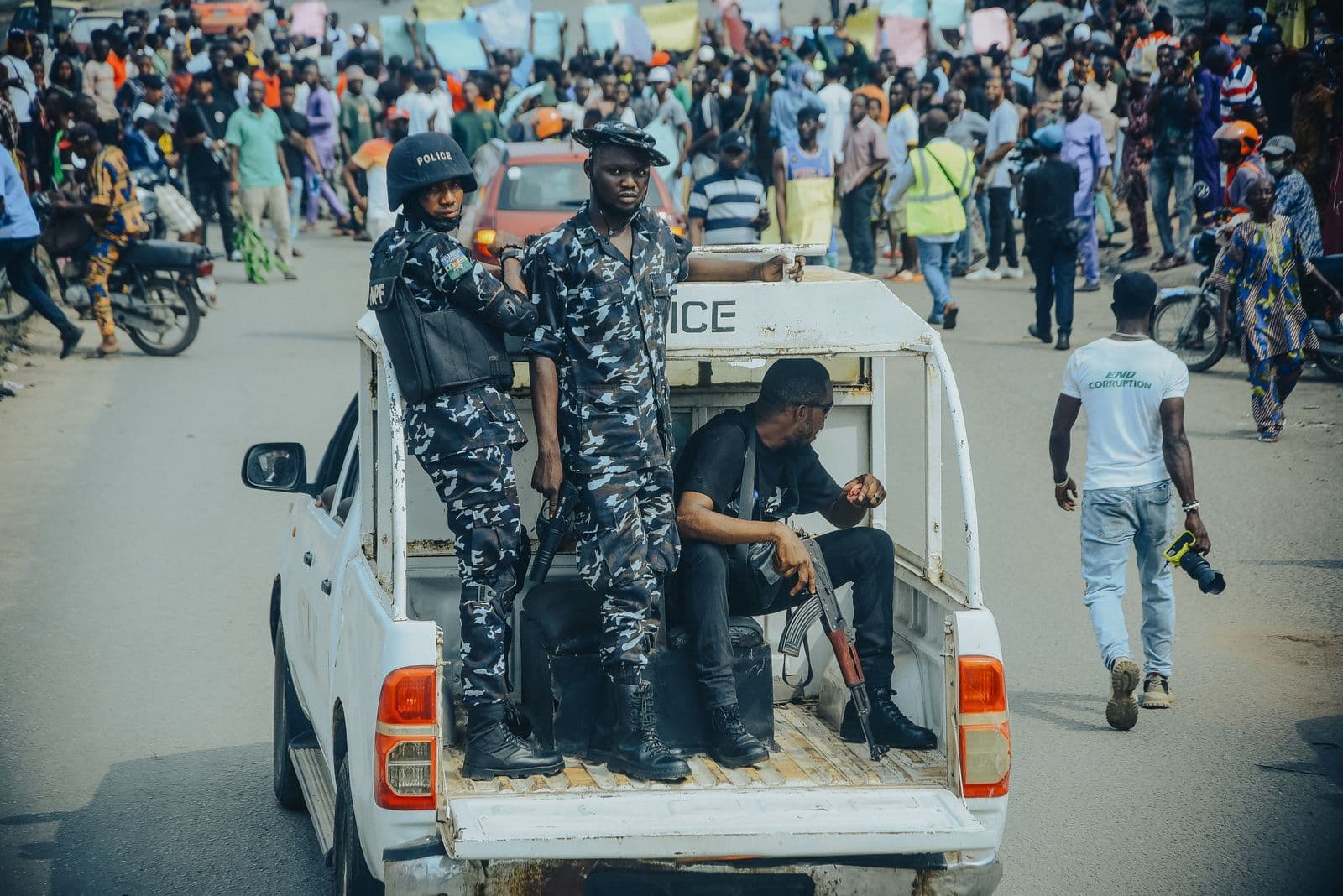
Serving in the Crosshairs: NYSC Deployment and Nigeria's Geography of Risk
Each year the National Youth Service Corps sends tens of thousands of graduates across Nigeria, including into states where kidnapping, banditry and insurgency are routine. The deployment system has not caught up with the country's security map. Here is what the data shows, and what should change.
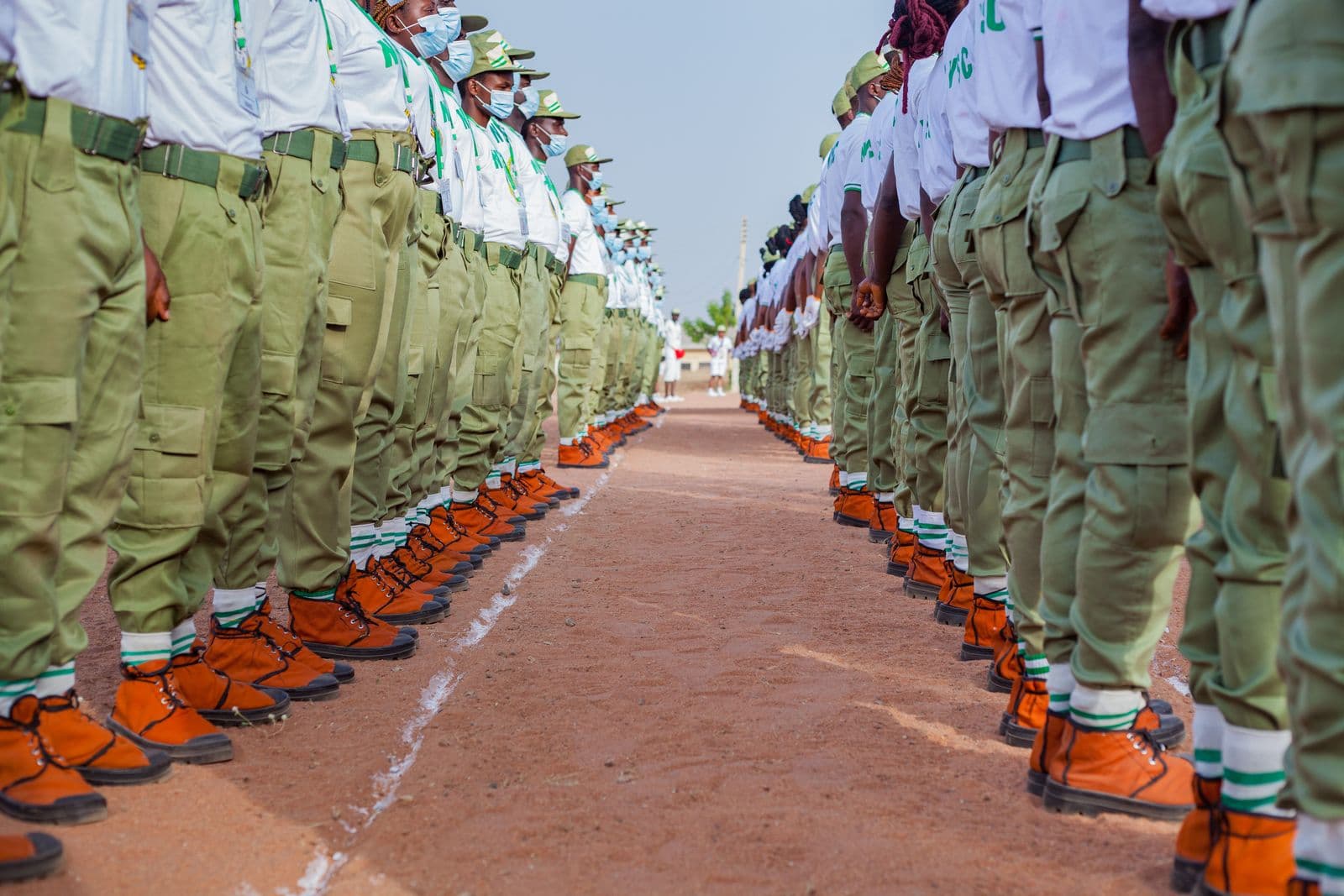
The Geography of Ransom: How Kidnapping Became Nigeria's Defining Crime
Kidnapping is now the single most common security incident OpenWatch records in Nigeria, ahead of terrorism and communal violence. It has grown from a Niger Delta tactic into a national industry with its own economics, supply chains and geography. Here is what the data shows about where it happens, who it targets, and why it keeps spreading.
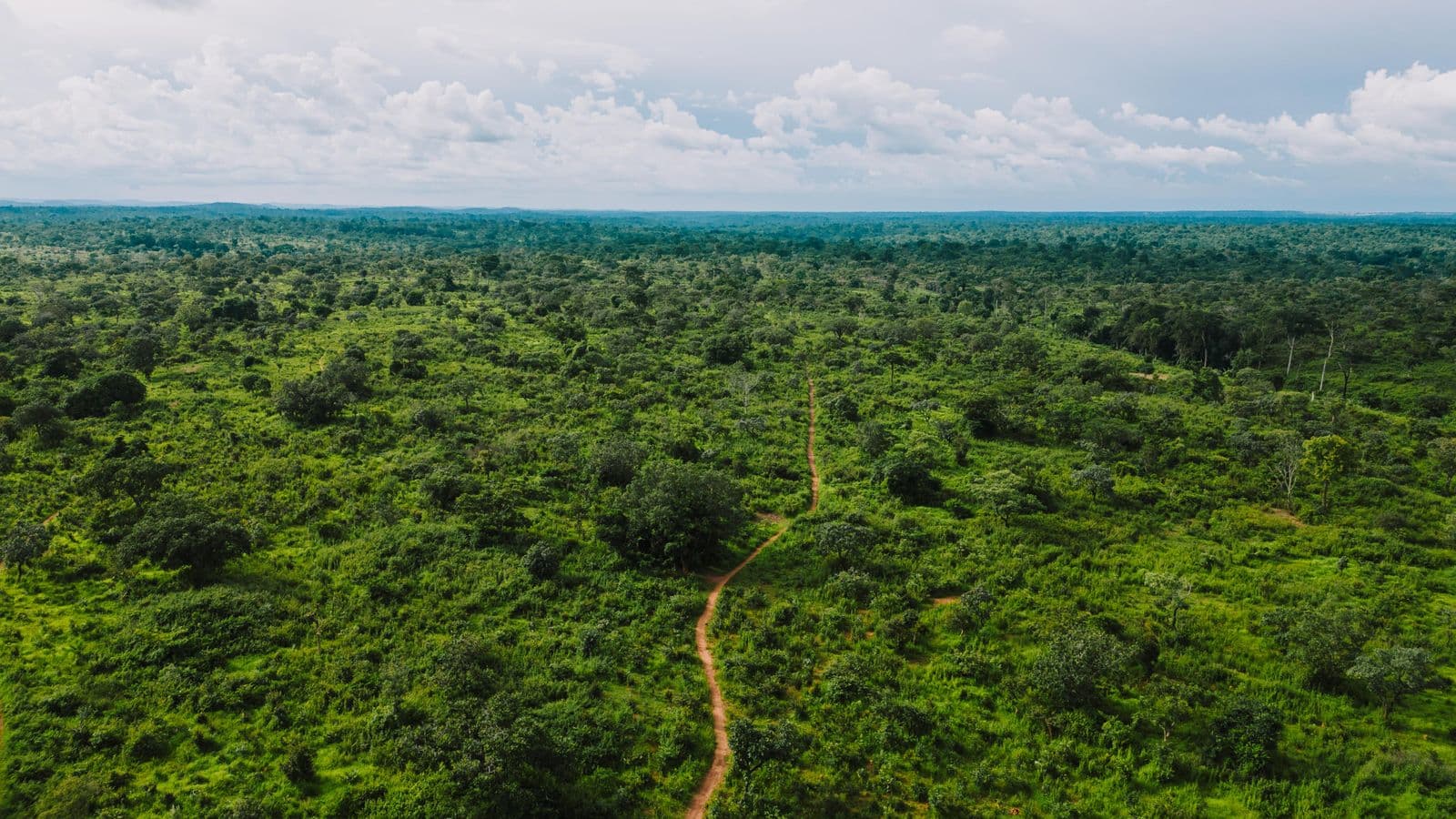
Banditry's Heartland: How Nigeria's North-West Came Apart
In Zamfara, Katsina, Sokoto and Kebbi, what began as cattle rustling has hardened into armed groups that tax villages, abduct at scale and now plant bombs on highways. This is not the North-East insurgency. It is something newer, and in places the state has stopped governing.
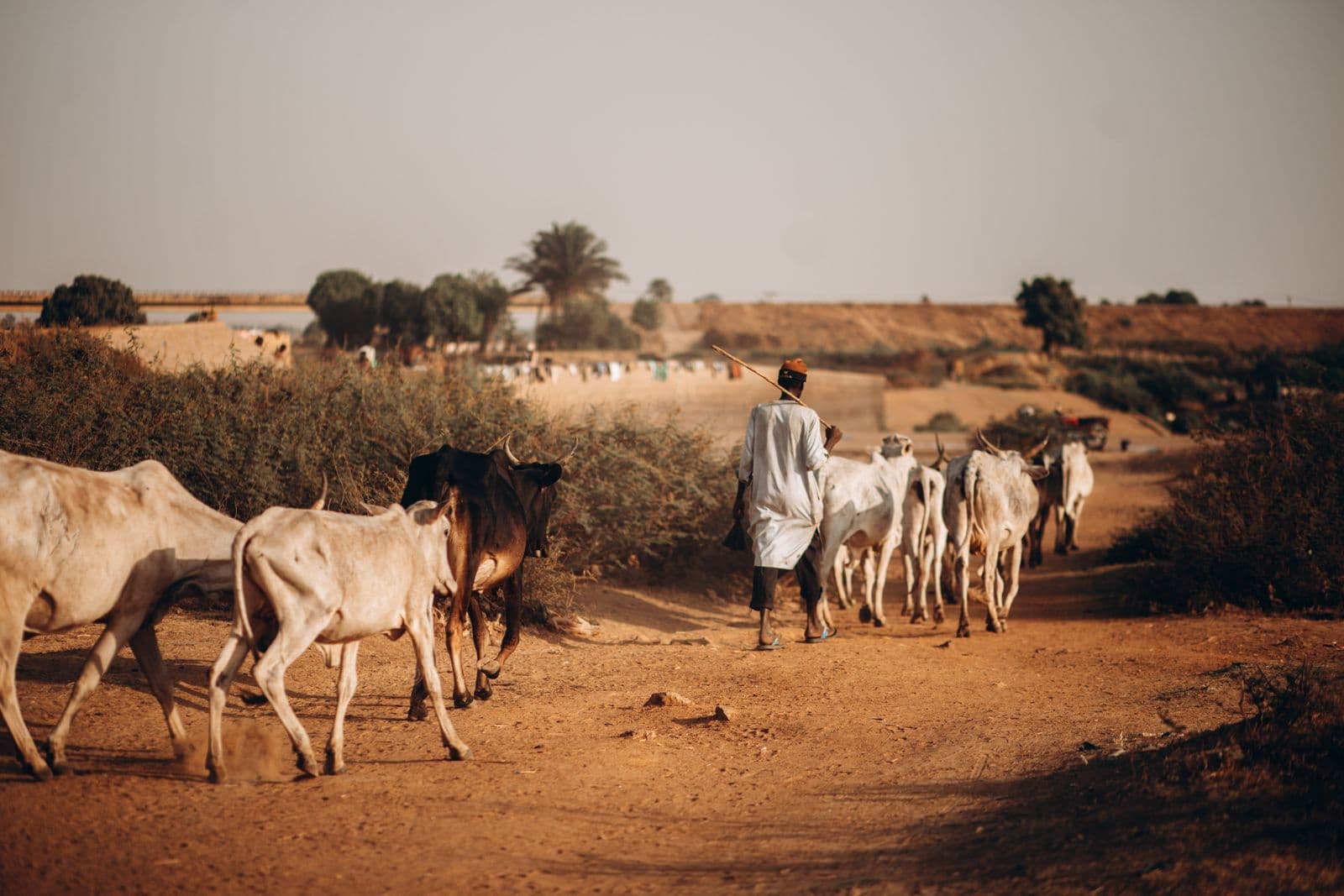
The Middle Belt's Long War: Land, Faith and the Killing Fields of Plateau and Benue
Plateau and Benue sit on Nigeria's most contested ground, where competition for land between farmers and herders has fused with ethnic and religious fault lines into a cycle of attack and reprisal. Communal violence is the deadliest threat type there, and the data shows it getting worse.