Where to Operate, Where to Harden: Reading Nigeria's Risk Map for Business
Companies expanding in Nigeria tend to read its security map two ways, both wrong: as a country uniformly dangerous, or as one where the busiest city is the riskiest. The incident record says neither. It says the threat is specific, it varies by state, and the mitigation that works in one place is useless in the next. Here is how to read it for a siting, hardening or expansion decision.
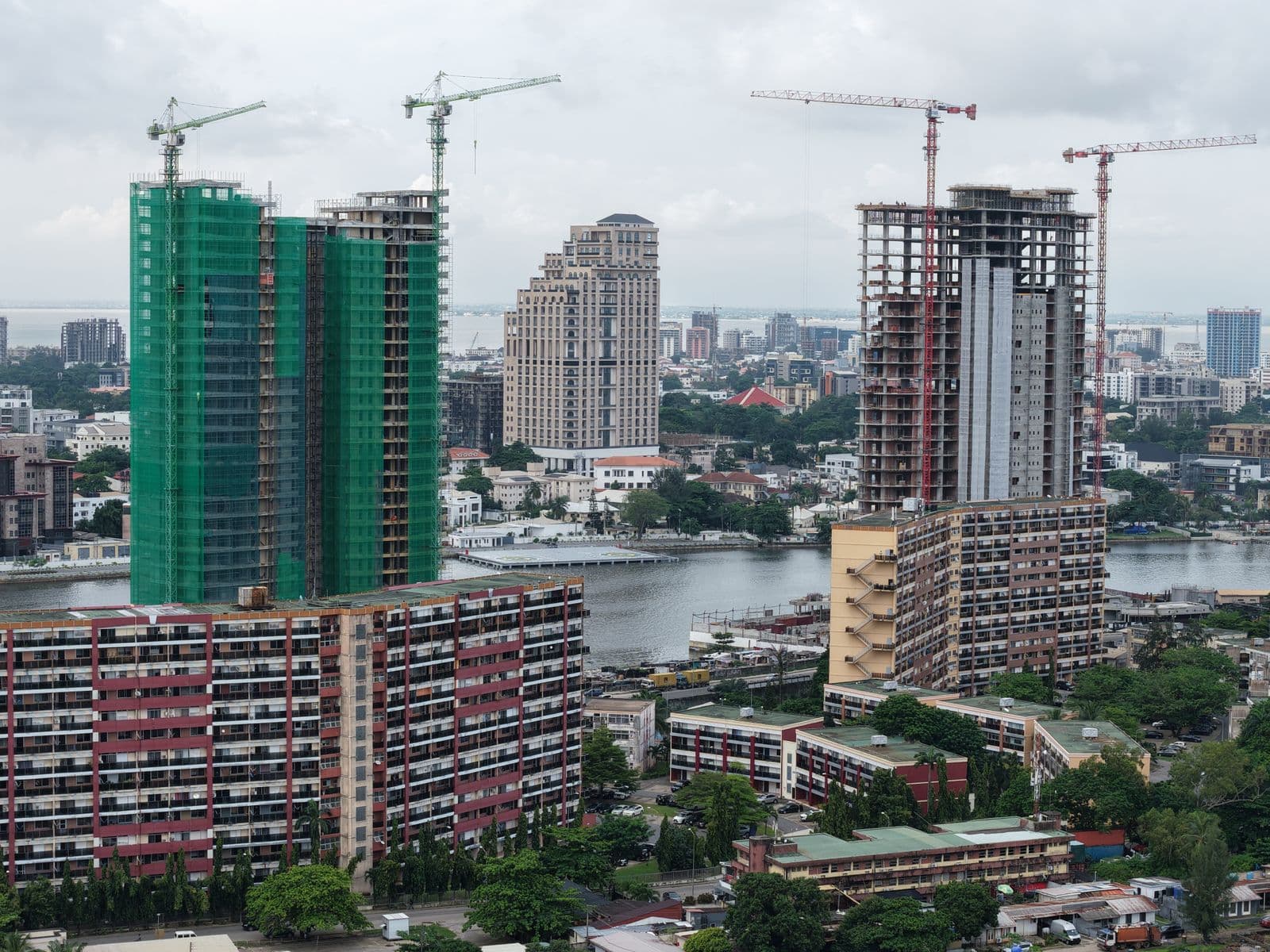
A company deciding where to put a plant, a depot, a regional office or a project team in Nigeria usually starts from one of two mental maps. The first paints the whole country red and treats every location as equally hazardous, which leads to either paralysis or blanket over-spending on security. The second assumes the biggest, busiest city carries the biggest risk, and quietly under-protects everywhere else. The incident record retires both.
What the data shows is that Nigerian risk is specific. It differs by state, it differs by threat type, and, crucially, the raw number of incidents in a place tells you very little about how dangerous it actually is. Reading the map correctly is the difference between hardening the right things in the right places and spending money where it does not matter while leaving real exposure untouched.
Volume Is Not Risk
The single most expensive misreading is to rank states by incident count. By that measure Lagos leads the country, and a naive analysis would treat it as the most dangerous place to operate. But the bulk of Lagos activity is urban armed robbery and fraud, the ordinary crime risk of a megacity of twenty million, not the kind of event that kills staff or shuts a site. High volume, comparatively low lethality.
Now hold that against the North East. Borno records fewer incidents than Lagos over the archive, but carries tens of thousands of fatalities, because the events there are insurgent attacks, not pickpocketing. Adamawa, Zamfara and Plateau tell the same story: fewer entries than the commercial South, far more deaths per entry. A business that sized its security to incident counts would over-fortify Lagos and walk staff into the North underprepared. Lethality, not volume, is the number that should drive a siting decision.
Every State Is a Different Threat
The second thing the record makes plain is that "security risk" is not one thing you can buy one defence against. The dominant threat changes as you move across the country, and each demands a different response.
In the North East, the threat is organised insurgency, which is a national-security environment, not a guarding problem. In the North West, it is banditry and mass kidnapping: the exposure is abduction of staff and attacks on rural sites and the roads to them. In the North Central Middle Belt, it is communal violence tied to land, which can turn a quiet area lethal on a seasonal calendar. In the South West and South, the dominant risks are kidnapping and urban crime, the profile most companies are equipped to handle. And in the South East, a distinct armed-group problem produces fewer incidents than the North but a real lethality and an enforced sit-at-home economy that disrupts operations on fixed days.
The practical consequence is direct. Kidnap-and-ransom cover and journey management matter most in the North West. Communal-violence early warning matters in the Middle Belt. Sit-at-home calendars and route planning matter in the South East. Standard urban premises security matters in Lagos. A single national security posture is either too much for the safe places or too little for the dangerous ones.
Where to Harden, and Against What
Once the threat is named per location, hardening becomes a set of concrete choices rather than a blanket spend. Fixed sites in banditry country need perimeter, response arrangements and a plan for the road; a Lagos office needs access control and fraud discipline; a Middle Belt operation needs to watch the communal calendar; anywhere in the country, staff movement between cities is usually the highest single exposure and the first thing to manage. The map tells you which of these applies where, so the budget follows the risk instead of the headlines.
Read It Live, Not Annually
The last point is about timing. The classic country-risk report is a snapshot, accurate the week it was written and decaying from there. Nigerian risk moves faster than that. A corridor that was clear last quarter is active this month; a state trending down for a year can spike in a fortnight.
OpenWatch's state risk index is built from the same live incident record as the rest of the platform and updates continuously, showing not just where each state ranks but which threat type dominates it and whether it is trending up or down over the last month. For a company that has already committed to a location, standing area watches turn that into an operational feed: an alert the moment something serious is recorded near a specific site. Site selection stops being a one-time report and becomes a decision you can keep making as the ground changes.
Nigeria is a genuinely large market, and the risk that comes with it is real but legible. The businesses that do well here are not the ones that avoid the risk or ignore it. They are the ones that read it precisely, place themselves accordingly, and harden against the threat that is actually there. See where every state stands, and what dominates each, in the state risk index, and how the roads between them score in The Cost of a Corridor.
OpenWatch tracks security incidents across all 36 states and the FCT in real time. Read live risk by state on the state risk index, watch specific sites via the app, or pull the data into your own models with the API.