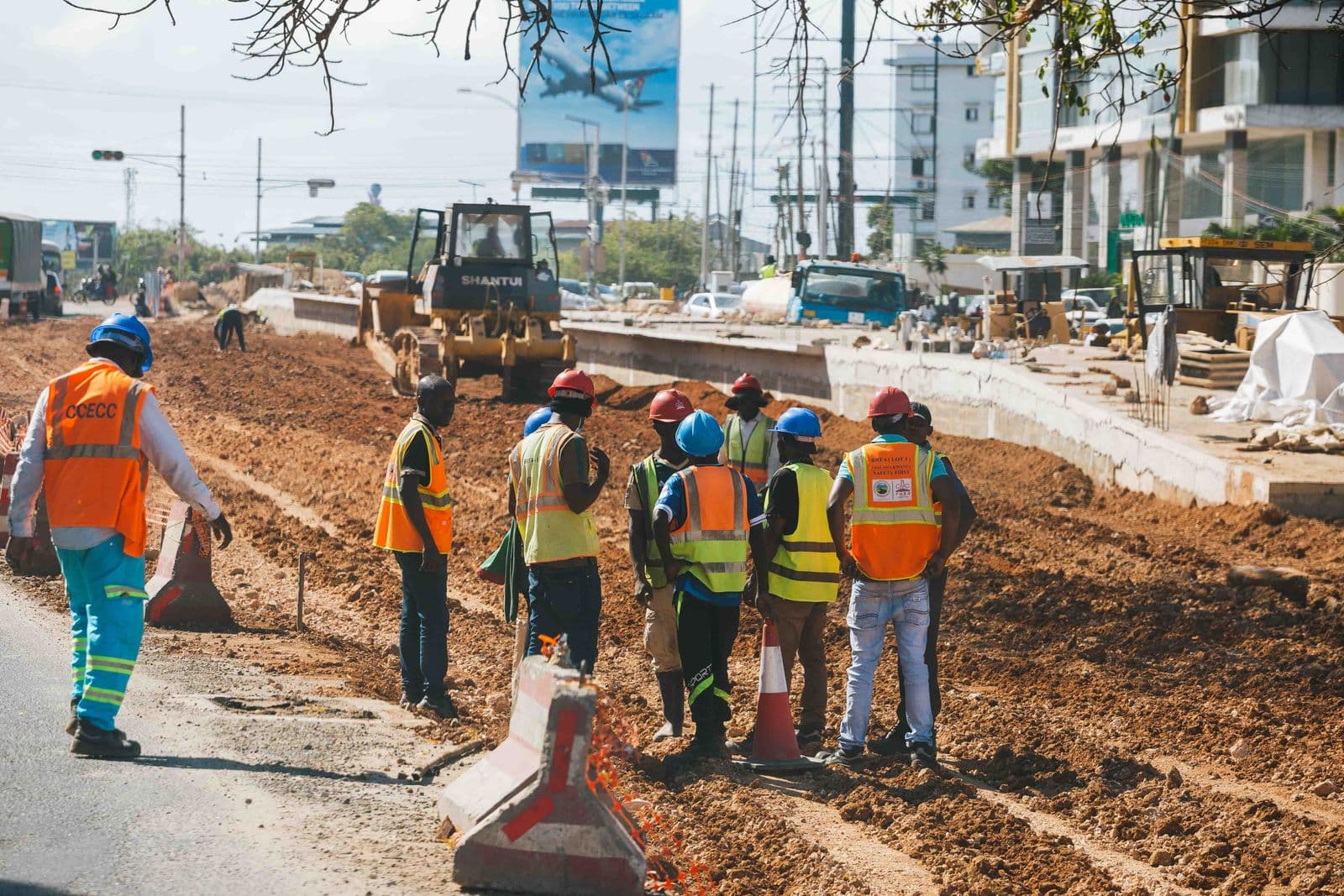
The Cost of a Corridor: What Nigeria's Highway Attacks Mean for Freight and Fleets
For any business that moves goods or people by road in Nigeria, the highway is the single largest point of exposure, and it is not evenly dangerous. The threat concentrates on specific corridors, at specific hours, in ways the incident record makes visible. Here is what the data says about the routes that carry the most risk, and how a fleet turns that into a decision.
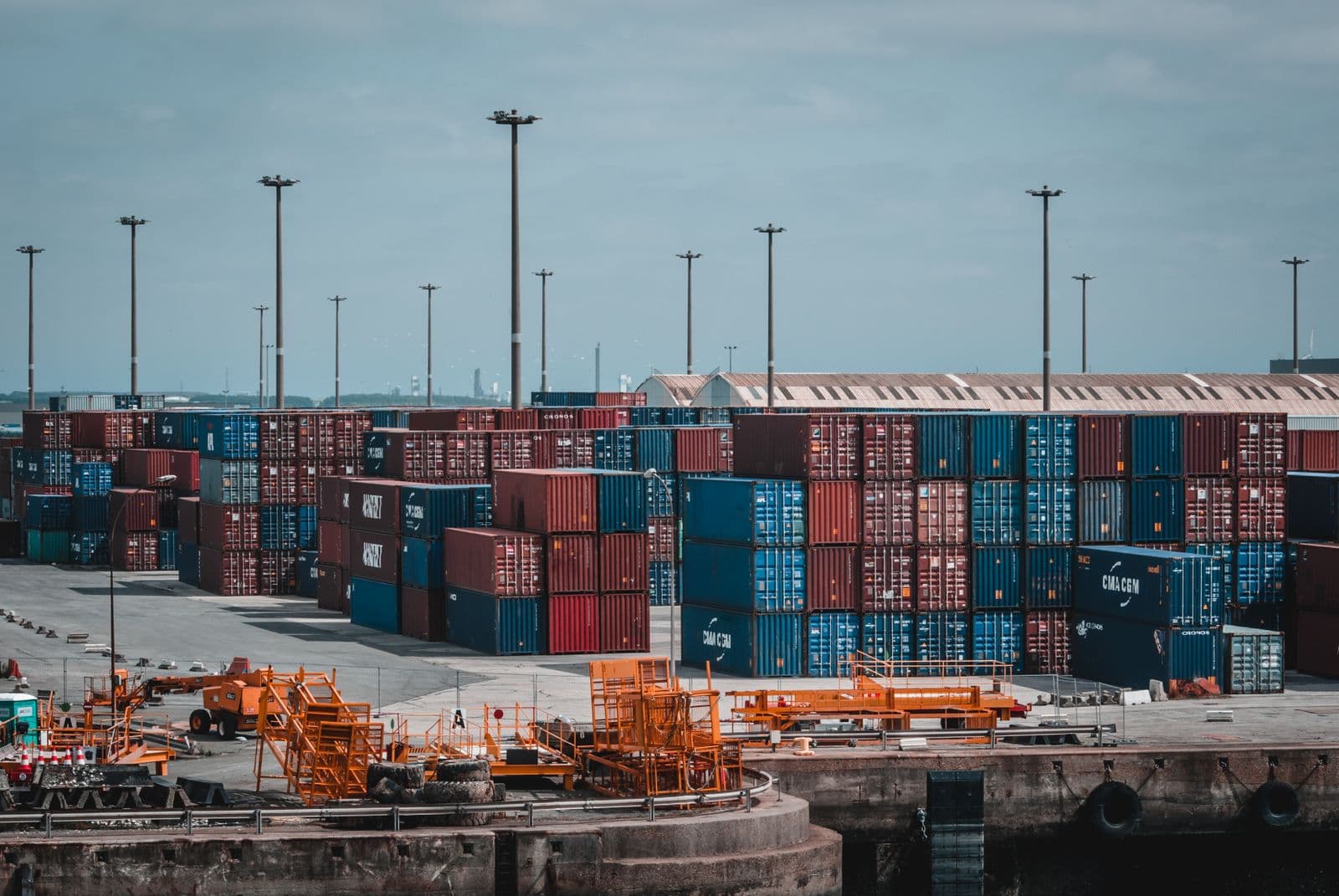
Every business that moves anything across Nigeria by road runs the same gauntlet, and most of them run it blind. A truck carrying containers from Apapa to Kano, a bus of staff from Lagos to Abuja, a distributor's vans crossing three states in a day: each of them spends hours on inter-state highways that are, in the OpenWatch record, the single most exposed place in the country. Strangers, in vehicles, on predictable routes, reachable by phone. That is the exact profile armed groups look for.
The good news, if there is any, is that the danger is not evenly spread. It concentrates on specific corridors, at specific times, against specific kinds of traffic, in a pattern the incident record makes legible. A fleet that reads that pattern is making a routing and duty-of-care decision on evidence. One that does not is gambling with its drivers, its cargo and its liability.
The Corridors Carry the Risk, Not the Country
Highway attacks are not scattered at random across Nigeria's road network. They cluster. In the OpenWatch record of recent road incidents, the Ore and Benin axis, the artery that links the South West to the South and East, is the standout concentration, a chokepoint every fleet crossing the region already fears. It is not alone. Bandits repeatedly block the Mokwa highways in Niger State, on the A1 that carries freight between the South West and the North, opening fire on commercial vehicles at Rafin Zaki. The Abuja to Kaduna highway remains a byword for mass abduction. In the North East, troops recently rescued 31 travellers taken by Boko Haram on the Damaturu to Biu road.
For a logistics operator, this is the whole point: risk lives on named stretches, not on an abstract "Nigeria". The question is never whether to move goods. It is which corridor, and when.
It Is Not Just the Cargo
There is a tendency to treat road risk as a loss-of-goods problem, an insurance line item. The record says otherwise. The primary target on most Nigerian highways is not the freight. It is the people in the vehicle.
Drivers are abducted for ransom. Passengers are taken in bulk. And increasingly, the freight itself is attacked as a target in its own right: in Borno, Boko Haram has been systematically intercepting and burning commercial trucks and trailers, a direct assault on the haulage business, not a robbery. A company that puts a driver on the Ore axis or the Damaturu road at the wrong hour is not risking a delayed delivery. It is exposing an employee to abduction or death, which is a duty-of-care exposure long before it is a commercial one.
Predictable, Therefore Manageable
The reason the incident record matters commercially is that highway attacks are patterned. They favour particular stretches, particular hours, dawn and dusk on forest-flanked roads, and particular conditions. That predictability is exactly what makes them a risk you can manage rather than merely fear.
The levers are well understood by anyone who has run convoys in a hard environment: travel the busiest routes in daylight, avoid the notorious stretches at the notorious hours, stagger or escort high-value movements, and never let a schedule become so fixed it can be planned against. What has been missing in Nigeria is not the tactics. It is the current, corridor-level intelligence to apply them to the route in front of you this week, rather than the one that was dangerous last year.
Turning the Record Into a Route Decision
This is where the incident archive becomes an operational tool rather than a news feed. OpenWatch scores risk along the corridors fleets actually use, drawing only on the threats that affect a journey, kidnapping, armed robbery, banditry and unrest, and filtering out the noise that has nothing to do with the road. A dispatcher can compare two routes on the same evidence, see which axis has been active in the last days, and time a movement to the safer window. Standing area watches push an alert the moment a new incident lands on a corridor a fleet runs, and the same data feeds a company's own systems through the developer API, so route risk can sit inside the tools a logistics team already uses.
None of it removes the risk. Nigeria's roads will remain the exposure they are. What it does is convert a blind gamble into a managed one, which is the difference between a fleet that is merely lucky and one that is doing right by the people it sends out each morning.
The corridor is going to be driven regardless. The only real choice is whether it is driven on information or on hope. See where the wider threat sits by state in the state risk index, or read how road risk shapes individual travel in our analysis of kidnapping across Nigeria.
OpenWatch tracks security incidents across all 36 states and the FCT in real time. Monitor live corridor and area risk on the live map, or build it into your own systems with the API.