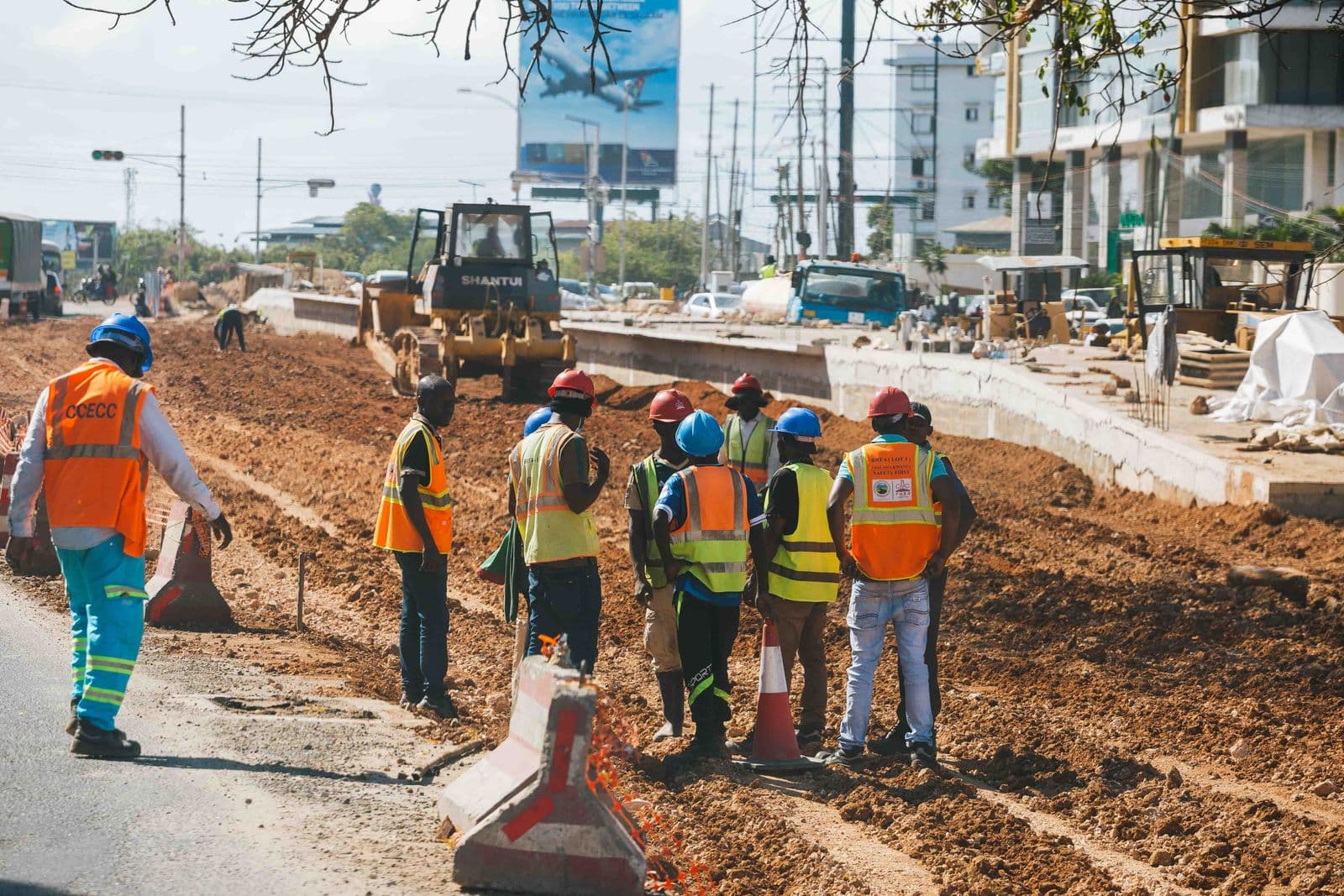
The Softest Target: Why Nigeria's Mass Abductions Keep Coming Back to Schools
From Chibok to a secondary school in Borno this month, the same attack keeps happening: armed men surround a school, seize dozens or hundreds of children at once, and vanish into the bush. It is not random, and it is no longer only a northern crime. The data shows a tactic chosen for cold reasons, and spreading.
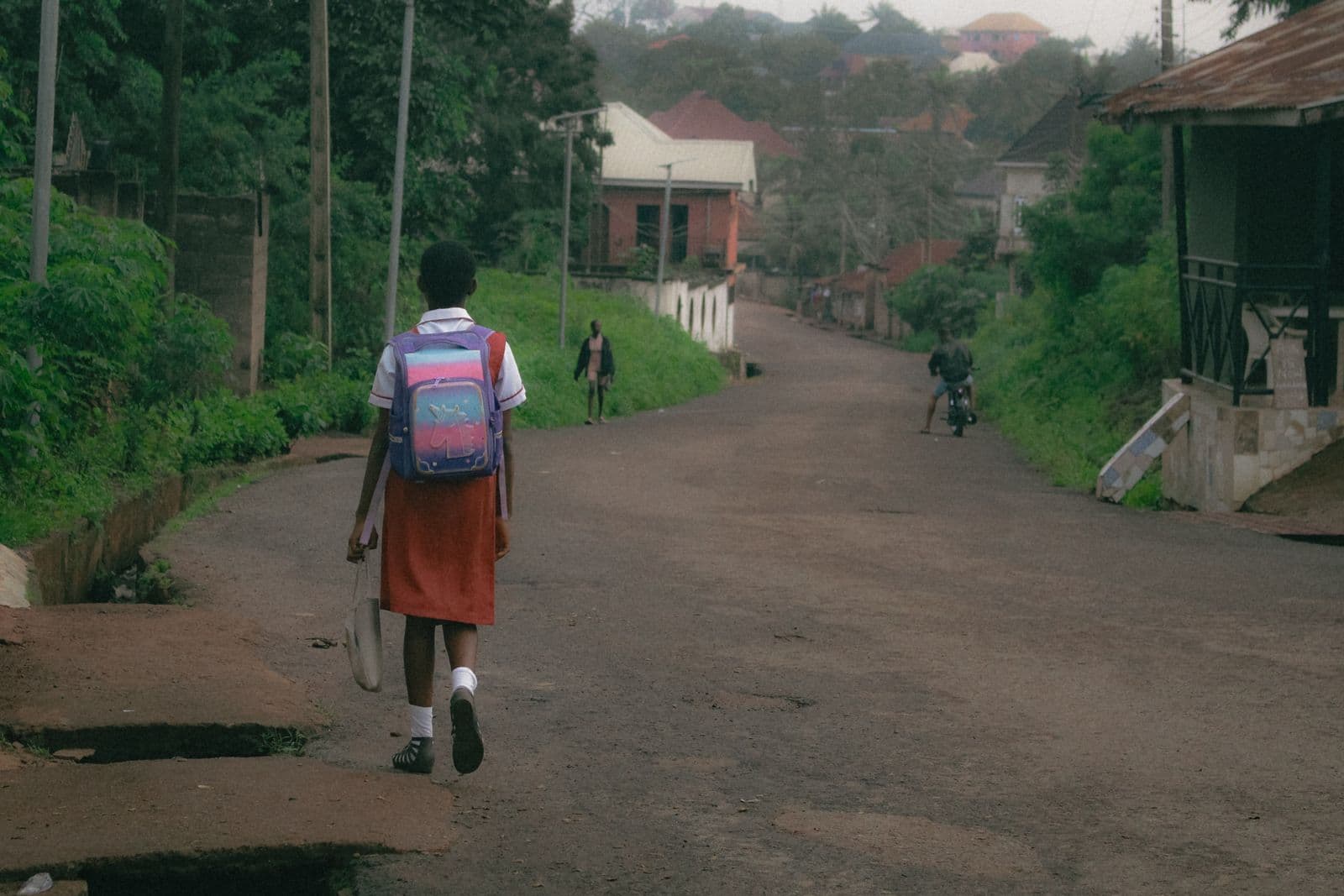
On a Monday this month, suspected ISWAP fighters surrounded a secondary school in Lassa, in the Askira/Uba area of Borno, and opened fire. Days later, 36 students were still missing. For anyone who has followed Nigerian security for the last decade, the report landed with a terrible familiarity. It was, in every important respect, the same attack the country first learned to fear at Chibok in 2014.
The OpenWatch archive holds hundreds of recorded incidents in which a school was attacked or children were seized from or around one. Spread across eleven years, they are not a series of unrelated tragedies. They are one tactic, repeated, because it works. Understanding why armed groups keep returning to the schoolhouse door is the difference between treating each abduction as a shock and treating it as the predictable event it has become.
A Decade of the Same Attack
The template is now painfully well established. Boko Haram took 276 girls from Chibok in 2014 and turned a local insurgency into a global headline. Dapchi followed in 2018. Then the tactic jumped from ideological insurgents to profit-driven bandits, and the scale exploded: Kankara in Katsina in 2020, Kagara and Jangebe in 2021, Kuriga in Kaduna, and the abduction of 230 children from St. Mary's boarding school in Niger, an event so large the Federal Government felt compelled to deny paying a ransom.
Each of these is the same event with a different name. Armed men reach a boarding school, usually at night or in the early morning, overwhelm whatever security exists, and march the students into forest or scrub before help can arrive. The archive records the pattern from the far North East to the North West and, now, well beyond it.
Why Schools
Schools are not chosen at random or out of cruelty alone. They are chosen because, for a group that lives on hostages, nothing else in rural Nigeria offers so much in one place.
A single boarding school delivers dozens or hundreds of captives in one raid, far more than a roadblock or a village sweep, and it delivers them already gathered, asleep in dormitories, easy to move as a group. It guarantees a national, often international, audience, which multiplies the pressure on families and governments to pay. And it is soft: most rural schools have a fence, a gate and perhaps a night watchman, set against attackers with automatic weapons and motorbikes. The terrain does the rest, because Nigeria's boarding schools sit exactly where mass kidnapping thrives, in rural local governments a short ride from the forests where hostages can be held for weeks.
Put together, the schoolhouse is the highest-value, lowest-risk target an armed group can find. The horror is the point, and so is the arithmetic.
No Longer a Northern Story
For years the one comfort was geography: this was a far-North affliction, contained above the rivers. The data has retired that comfort. In May 2026, gunmen abducted pupils, teachers and a toddler from schools in Oriire, Oyo State, in the Yoruba South West, the first mass school abduction of its kind the region had seen. It took a multi-agency operation fifty-five days to rescue most of the captives, and the accused were later charged under terrorism law. We followed that case from the attack to the courtroom in a separate analysis, When the Forest Came to Oyo.
Oriire was not a one-off wander south. In July, gunmen attacked a secondary school in Dekina, Kogi State, abducting students, a principal and a NECO official during examinations. The exam hall, the one place students must gather on a fixed, published schedule, is the newest wrinkle on the oldest tactic. The states with the most school-related incidents in the archive now include Oyo and Kogi alongside Borno, Kaduna and Katsina. The map has widened.
The Damage Beyond the Ransom
The cost of a school abduction does not end when the hostages come home. Each one teaches the same lesson to a wider circle: that sending a child to school is a gamble. In the worst-affected states, schools close for months after an attack, parents withdraw children, and a country that already carries one of the world's largest populations of out-of-school children loses more of them to fear.
That is the strategic damage, and for the ideological groups it is not a side effect but a goal. An empty classroom is a victory for anyone whose project is to unmake the state's reach. Every abduction that goes unanswered makes the next enrolment decision harder for a family already weighing risk it should never have to weigh.
What Would Actually Change It
Hardening school gates helps at the margin, but the archive points past the perimeter. Mass abduction runs on two things a fence cannot touch: ungoverned forest within reach of the school, and the near-certainty that the crime will pay. Nigeria signed the international Safe Schools Declaration years ago; the gap has always been between the pledge and the funding, the guards, the response times and the follow-through that would make a school a poor target rather than a rich one.
Until that gap closes, the report from Lassa will keep being rewritten with a new place name. The tactic is not mysterious, and it is not going away on its own. It is a rational choice by people who have learned that the softest target in Nigeria is a room full of children, and that no one has yet made them pay for choosing it.
See where each state stands in the state risk index, read the full arc of one such case in When the Forest Came to Oyo, or how the wider crime works in the geography of ransom.
OpenWatch tracks security incidents across all 36 states and the FCT in real time. Monitor live risk by state and corridor on the live map and the monthly security report.